


Introduction
And that’s where the whole debate around lab-grown diamonds vs real ones gets interesting. For years, diamonds have carried this aura of rarity, tradition, and—let’s be honest—status. But then technology walked in, pulled up a chair, and said: “Actually, we can make those too.”
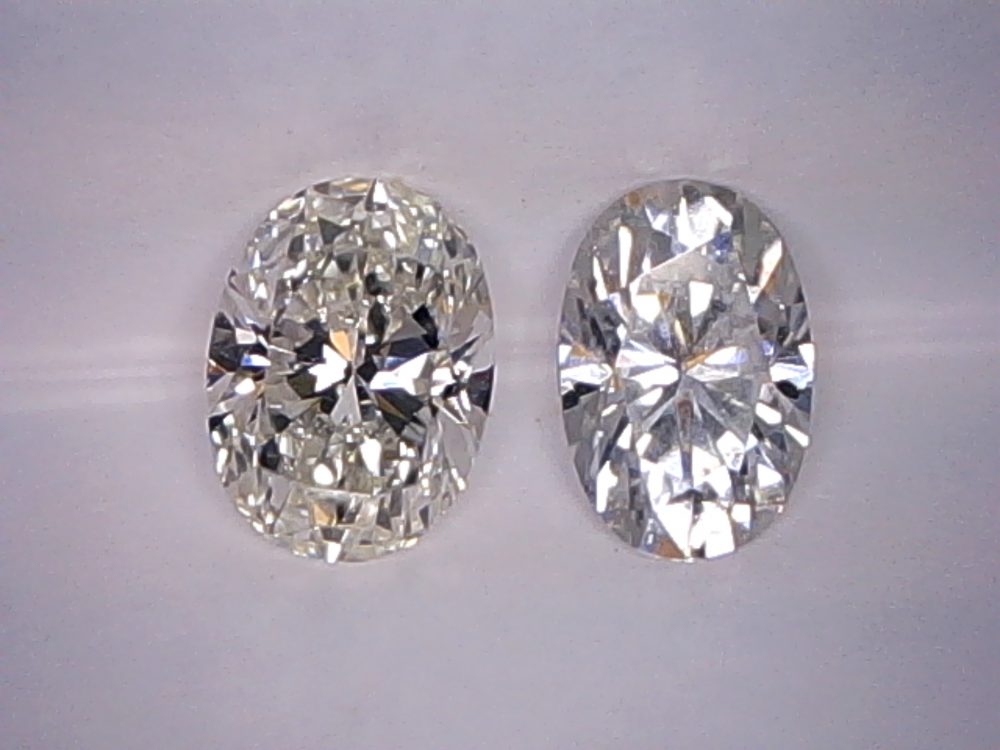
Now we’ve got man made diamonds that look, feel, and even test the same as natural ones. Jewelers use the same tools, the same grading scales, and in many cases, they’re just as stunning. The difference? One spent billions of years forming under the earth, while the other took a few weeks in a lab. So… does that make one more “real” than the other? Or is it all just marketing and perception? Let’s dig in.
Because Every Sparkle Has One
Think about it: when was the last time a piece of jewelry actually told you a story? Maybe it was your grandmother’s necklace. Or that ring from your first big paycheck. Diamonds, in particular, have always carried stories—sometimes personal, sometimes cultural.
For a long time, “real” meant mined. You’d picture miners deep underground, chunks of rock, and then that one shiny stone pulled out and polished into something breathtaking. That’s the image sold for decades.
But here’s the twist. Science caught up. And suddenly, labs could mimic the exact same conditions the earth uses to create diamonds. The result? A new generation of gems—man made diamonds—that were chemically identical to the traditional ones. Seriously, even experts sometimes need specialized equipment to tell them apart.
Some people shrug and say, “So what? If it looks the same, why pay more?” Others feel like the natural story—the billions of years, the rarity—still matters. Both views make sense. It’s like preferring vintage wine over a fantastic bottle that was bottled last year.
Options, Trends, and Some Honest Advice
So, what’s actually happening in the jewelry world right now? A few things:
- Lab-grown diamonds are trending. Especially for younger buyers. People like the idea of affordability and ethics. No questionable mining practices. No inflated pricing.
- Natural diamonds still hold value. If you’re thinking resale or family heirloom, mined stones still tend to win. They’ve got that “forever rare” factor going for them.
- Designers are embracing both. Walk into a modern jewelry store and you’ll often see both options side by side. Some even market rings as “eco-conscious” if they’re lab-grown.
And honestly? It really depends on what matters to you. Do you want the prestige of saying it’s mined? Or do you want a bigger, shinier stone for less money?
Here’s a quick way to think about it:
- If you want value and sparkle → lab-grown.
- If you want heritage and tradition → mined.
- If you’re torn → go see them in person. Trust me, that changes everything.
Locally Because Context Is Everything
Let’s zoom in a bit. In places like Hong Kong, New York, or London, jewelry culture is different. Some buyers lean hard into tradition—diamonds as family investments. Others are all about fashion and statement pieces.
What I’ve noticed? In bigger, cosmopolitan cities, lab-grown stones are catching fire. People are practical. They’d rather spend extra money on travel, experiences, or even upgrading to a larger stone. And they don’t feel any less “special” because it came from a lab.
But in smaller or more traditional communities, natural diamonds still rule the scene. There’s an emotional pull—almost like, if it’s not mined, it’s not the “real deal.”
Neither side is wrong. It’s just fascinating how culture and location shape the way we value the exact same shiny thing.
Lab Diamonds Are Actually Made Without the Boring Lecture
Alright, here’s the fun part. How do you actually “grow” a diamond? Spoiler: it’s cooler than it sounds.
There are two main methods:
- HPHT (High Pressure High Temperature): This basically recreates what happens underground. Imagine a mini-earth in a machine. Carbon is squeezed and heated until it crystallizes into a diamond. Boom—done.
- CVD (Chemical Vapor Deposition): Sounds like sci-fi, right? A tiny diamond “seed” is placed in a chamber filled with carbon-rich gas. The gas breaks down, and carbon atoms slowly layer onto the seed, growing the diamond bit by bit.
Both methods produce stones that are virtually identical to mined ones. Same sparkle. Same hardness. Same ability to scratch glass (yep, that’s still a thing). The only major difference? Time. Nature takes billions of years. A lab takes a few weeks. That’s it.
Wrapping It Up
So here’s the takeaway. The debate about lab-grown diamonds vs real isn’t really about which one is “better.” It’s about what you value. Do you want the legacy, the tradition, the idea of holding something forged by the earth? Or do you want the innovation, affordability, and ethics of man made diamonds? At the end of the day, diamonds—whether mined or grown—are about stories. Your story. And maybe that’s the real sparkle.